
For me personally, I can’t stand the “F” word. And no, I’m not talking about the word “fuck,” I’m talking about the word/words “faggot”/”fag”. Story time: my dog becomes nervous if he’s not wearing clothes, and when we went to go visit my grandparents in Florida, my grandfather called Tony a “fag” because he was wearing a t-shirt, and to say that I lost my “s-word,” on my grandfather, would be putting it mildly. (Tony didn’t care and continued to wear all of his cute clothes that make him less anxious, I mean, – https://www.thundershirt.com/). However – just like the “N” word, hearing it come out of my straight, white, cis-male grandfather’s mouth, felt atrocious.
The use of this word is one of the ideas discussed in The Celluloid Closet. The film discusses the use of the “f” word(s) and the history of homosexuality and gender fluidity in history. I think what is particularly interesting about the film is how much society has changed since the film came out; not excusing the treatment of homosexual film characters in the past. To see Harvey Fierstein as an absolute baby (in age), discussing the use of the Sissy character, feels both very relevant and dated. I feel as though the “F” words can’t be used as easily anymore, without outcry from the LGTBQIA+ community.
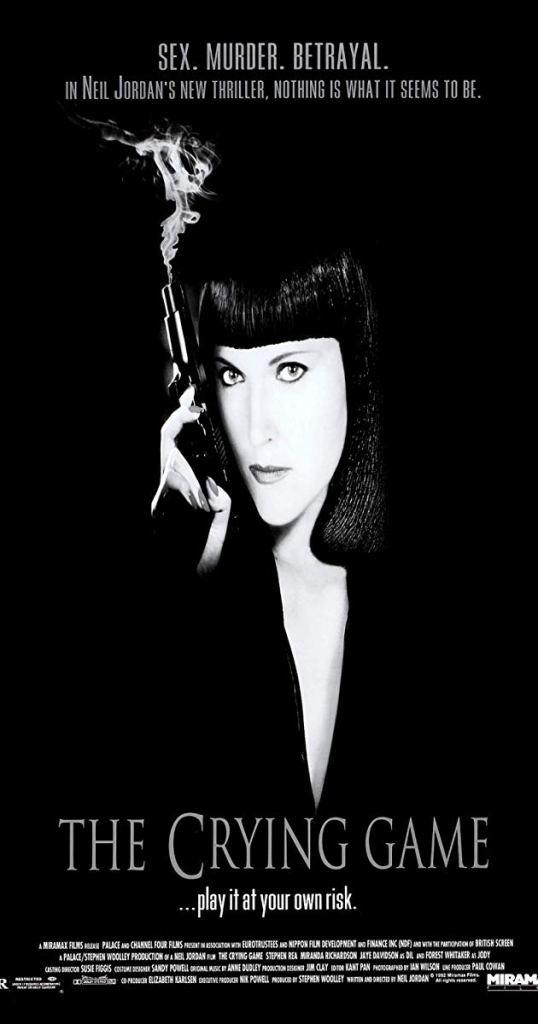
In my Feminist-Art-Theory-Power class last semester, we discussed the difference in the films The Crying Game and Boys Don’t Cry – and how these trans-characters are treated. In The Crying Game, the film’s plot operates on the basis that it is a disgusting twist that the lead character is a trans-woman. Boys Don’t Cry is a much better example of a positive trans-character in the 80’s/90’s, when it was not okay to be gay and the word “feminist” was answered with “femminazi.”

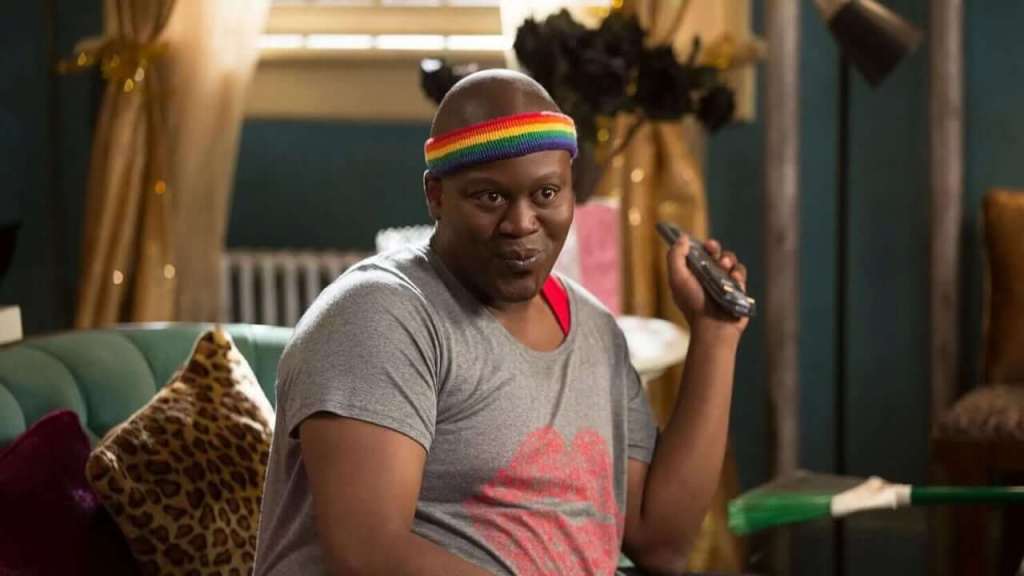
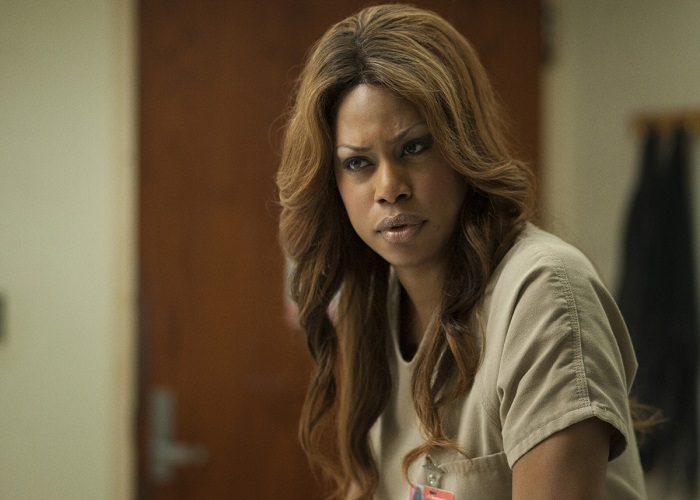
In today’s world, there are many more positive gay icons for teenagers to look up to. Just look at Kurt from Glee, Callie Torres from Grey’s Anatomy, or Titus from The Unbreakable Kimmy Schmidt, and although we have moved forward with gay cis-gendered people, I think that the trans-community is largely under represented. Orange Is the New Black‘s Sophia Burset cannot be enough.


 Maddie's Blog for Film, Gender, Sexuality Class
Alas, I’m not as optimistic as you are about how things are so different today compared to when The Celluloid Closet came out. I think it’s telling that all the examples you give of positive representations of LGBTQ people are from television. And while TV certainly has moved forward, Hollywood cinema, I would say, has not really. Do you have any evidence that Hollywood cinema has moved past the tropes, patterns, marginalizations, and outright demonizations described in The Celluloid Closet? Sure we now have films like Call Me By Your Name, but their coyness about gay sex suggests to me that not much has changed….
LikeLike